
As organizations expand, their internal operations naturally grow more complex. A startup can easily manage its operations using scattered spreadsheets, basic accounting software, and disjointed communication apps. However, once a company reaches a certain scale, these fragmented tools create operational bottlenecks. Information becomes trapped within specific departments, manual data entry errors increase, and leadership loses the clear visibility needed to make timely strategic choices.
To overcome these roadblocks and maintain a competitive edge, modern corporations rely on comprehensive enterprise solutions. These integrated software platforms unite disparate business functions into a single, cohesive digital ecosystem. By optimizing resource allocation, automating repetitive tasks, and providing a unified source of operational truth, enterprise systems serve as the foundational engine for sustainable corporate growth and long-term efficiency.
Breaking Down Data Silos with Unified Architecture
In many traditional corporate environments, individual departments operate as isolated islands. The sales team utilizes a dedicated customer relationship manager, the finance team tracks revenue on distinct accounting software, and the warehouse managers log inventory using separate legacy tools. When these systems cannot communicate with each other, operational friction is inevitable.
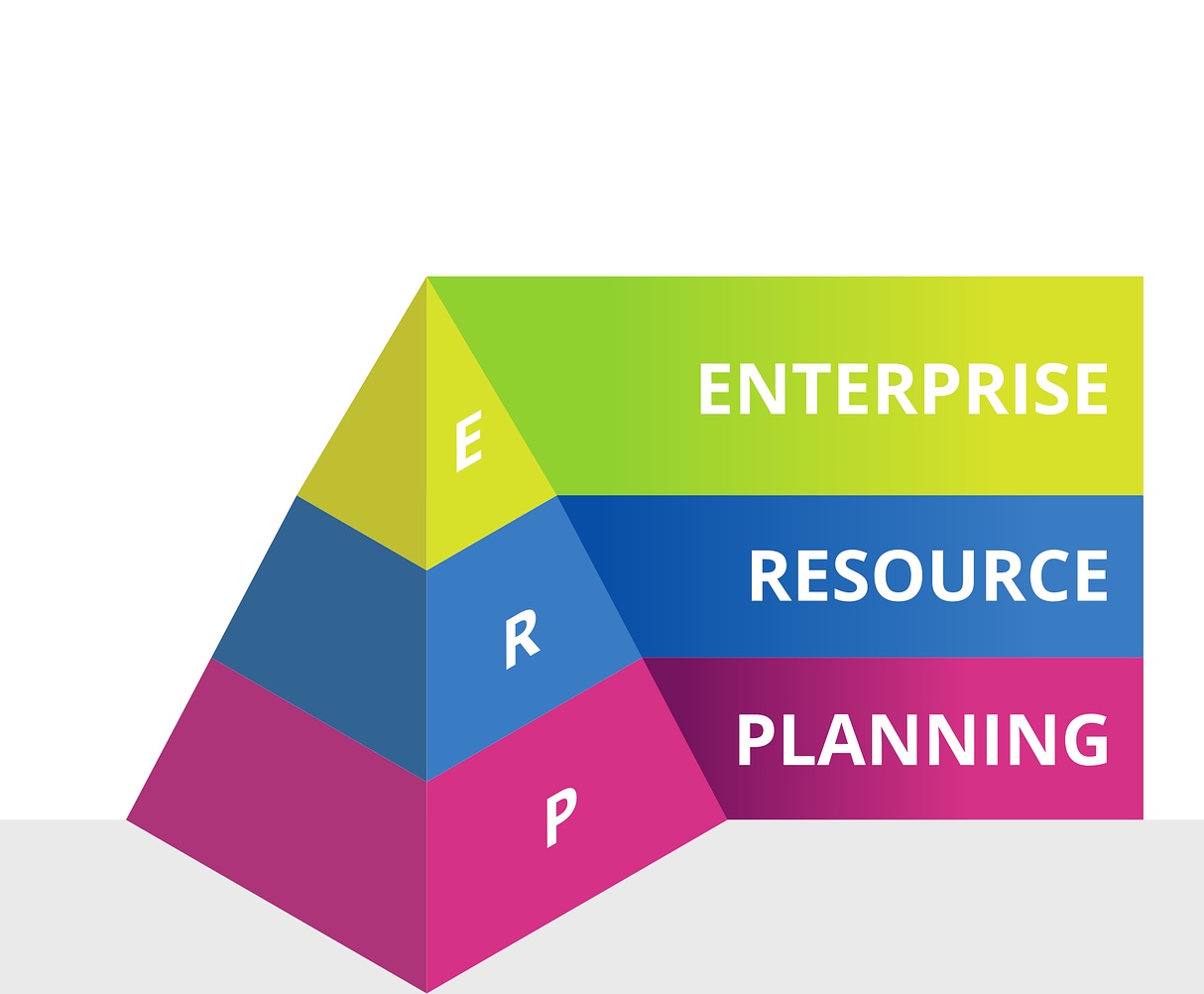
Enterprise resource planning solutions eliminate these communication gaps by consolidating all departmental data into a centralized database. When a sales representative closes a major deal, the system automatically triggers a series of real-time operational updates across the entire organization.
-
Immediate Inventory Adjustments: The warehouse management system updates inventory counts instantly, signaling production teams to adjust manufacturing schedules if stock falls below baseline safety parameters.
-
Automated Financial Ledger Entries: The accounting module automatically generates invoices, records projected revenue, and updates tax logs without requiring manual intervention from data entry clerks.
-
Supply Chain Optimization: Procurement systems evaluate raw material levels against the new demand, automatically generating purchase orders for vendors to ensure production lines suffer no downtime.
This unified architecture guarantees that every department operates using identical, real-time data. By eliminating manual data transcription between systems, organizations significantly reduce human error and eliminate the costly delays associated with cross-departmental alignment.
Maximizing Operational Efficiency Through Automation
Human capital is the most valuable and expensive asset an organization possesses. Requiring highly skilled employees to spend hours copying data between spreadsheets, manually compiling weekly reports, or cross-referencing shipping invoices is an inefficient use of corporate resources. Enterprise solutions allow organizations to automate these repetitive, low-value administrative processes.
Through advanced business process automation and integrated workflows, enterprise software handles routine tasks smoothly. For example, in human resources management, enterprise platforms can automate the entire onboarding journey for new hires. The software automatically handles background checks, provisions corporate email accounts, assigns mandatory training modules, and sets up payroll profiles based on pre-programmed logic.
By offloading these administrative burdens to automated systems, employees can shift their focus toward high-value, strategic initiatives. Teams spend less time managing processes and more time solving complex business challenges, innovating new products, and improving the overall customer experience. This shift increases operational throughput while keeping overhead costs steady, drastically improving profit margins.
Enhancing Strategic Decision Making with Predictive Analytics
In a fast-moving corporate landscape, relying on intuition or outdated monthly reports to make major business decisions is risky. Executives need immediate access to deep operational insights to respond effectively to market shifts, competitor movements, and changing consumer behaviors.
Modern enterprise solutions feature sophisticated business intelligence modules that continuously analyze organization-wide data. These systems do more than compile historical facts; they utilize predictive analytics to forecast future trends based on complex mathematical models.
Precision Demand Forecasting
By analyzing historical sales patterns, seasonal trends, and current macroeconomic indicators, enterprise systems predict future product demand with high accuracy. This allows supply chain executives to optimize stock levels, preventing both expensive inventory overages and costly stockouts that turn customers away.
Granular Customer Lifetime Value Insights
Enterprise tools track customer interactions across every touchpoint, from initial ad clicks to post-purchase customer service tickets. This data allows marketers to isolate high-value customer segments, identify churning behaviors early, and design highly personalized retention campaigns that maximize marketing return on investment.
Dynamic Financial Modeling
C-suite executives can run complex what-if scenarios within the software to evaluate the financial impact of potential corporate moves. The platform can simulate the opening of a new distribution hub, a shift in raw material suppliers, or a change in pricing structure, projecting the downstream effects on cash flow and profitability before any capital is committed.
Driving Revenue Growth via Optimized Customer Experiences
Business efficiency is only half of the growth equation; an organization must also focus on expanding its revenue pipelines. Enterprise customer relationship management systems drive top-line revenue growth by optimizing the entire sales cycle, converting cold prospects into loyal, long-term brand advocates.
An enterprise CRM provides sales teams with a comprehensive view of every prospect. Before jumping onto a sales call, a representative can see the exact articles the prospect read on the company website, the webinars they attended, and the specific pain points they shared during initial discovery interactions. This contextual awareness allows the sales team to deliver highly tailored, consultative pitches that significantly increase closing rates.
Furthermore, these platforms ensure that no revenue opportunities slip through the cracks. Automated lead scoring models rank prospects based on their likelihood to convert, directing sales personnel to focus their energy on the warmest accounts. Post-sale, the system reminds account managers when clients are nearing the end of their contract cycles or when their purchasing history suggests they are prime candidates for complementary product upgrades, maximizing customer lifetime value.
Securing the Modern Digital Enterprise
As a business grows, its digital attack surface expands, making it an attractive target for cybercriminals. Managing data security across dozens of fragmented, unmonitored software applications is an administrative nightmare that frequently leads to regulatory compliance failures and disastrous data breaches.
Enterprise solutions provide corporate IT teams with centralized control over data security and regulatory governance. These platforms are engineered to meet strict international security benchmarks, incorporating advanced encryption protocols for data both at rest and in transit.
With centralized access controls, administrators can implement strict role-based permissions, ensuring employees view only the specific data required to perform their daily duties. Comprehensive audit trails log every file view, modification, and data export, giving security teams the ability to spot internal threats instantly. Additionally, enterprise software providers roll out regular patch updates to counter emerging security threats, ensuring the corporation remains fully compliant with evolving global data privacy mandates.
Frequently Asked Questions
What are the main signs that a growing business has outgrown its current software and needs an enterprise solution?
An organization typically needs an enterprise solution when employees begin spending significant time manually entering identical data into multiple unlinked software applications. Other clear signs include frequent discrepancies in inventory and financial reports, an inability to track client histories accurately across departments, and a noticeable slowdown in operational response times due to fragmented communication channels.
How do companies minimize operational disruptions during the initial deployment of a large-scale enterprise system?
Minimizing disruption requires a structured phased-implementation approach rather than attempting to transition the entire organization overnight. Companies should deploy one module at a time, starting with less critical departments to iron out software configuration issues. Investing heavily in comprehensive employee training programs and running the old system parallel to the new platform during the initial weeks ensures operational continuity.
Why do some enterprise solution implementations fail to deliver the expected return on investment?
Enterprise projects generally fail when an organization attempts to force the new software to match its old, broken manual processes rather than adapting its workflows to the optimized best practices built into the platform. A lack of executive sponsorship, poor data cleansing before migrating information to the new database, and inadequate staff training also heavily contribute to low adoption rates and missed financial targets.
How does cloud-hosted enterprise software compare financially to traditional on-premises installations?
Cloud-hosted enterprise software utilizes a subscription-based operational expenditure model, eliminating the massive upfront capital expenses required to purchase corporate servers and data center hardware. On-premises installations require dedicated internal IT teams to handle ongoing physical maintenance, security patches, and hardware upgrades, whereas cloud providers manage these tasks automatically, making cloud solutions highly scalable and cost-effective for growing businesses.
In what ways do modern enterprise systems support global business expansion and multi-currency operations?
Enterprise solutions feature built-in internationalization tools that allow a single software deployment to manage multiple subsidiaries across different nations. The software automatically handles real-time currency conversions, adapts to local language preferences, and dynamically adjusts accounting configurations to comply with the distinct tax codes, labor laws, and financial reporting standards of each country.
How do enterprise solutions help manufacturing companies reduce their total carbon footprint and meet sustainability goals?
Enterprise systems improve sustainability by tracking resource utilization across the entire supply chain with granular precision. By optimizing delivery truck routes to reduce fuel consumption, streamlining manufacturing schedules to minimize idle machinery energy waste, and forecasting demand accurately to eliminate raw material spoilage, the software naturally drives down environmental waste while lowering operational costs.