
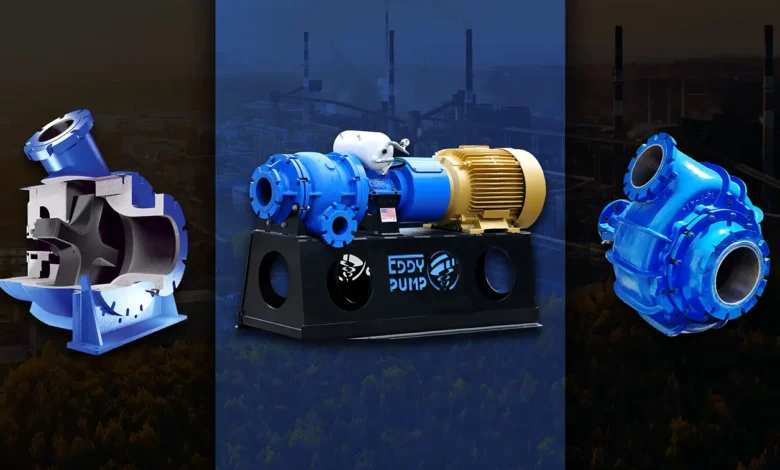
There is a common assumption that mechanical hardware has reached a plateau—that because basic pumps have existed for generations, the equipment used today is essentially the same as what was used long ago. This perspective often overlooks the subtle, iterative improvements in material science and design precision that have transformed the capabilities of industrial equipment. In reality, the way modern industrial gear pump systems are engineered, integrated, and maintained has shifted toward a more nuanced focus on efficiency and long-term reliability.
Why Technical Specifications Often Overshadow Operational Reality
When engineering teams or procurement managers begin the search for equipment, it is common to fixate on raw output capacity. The temptation is to treat the process like a simple calculation: matching a flow rate and pressure requirement to a catalog description. While these figures serve as a starting point, they rarely account for the full operational environment.
An industrial gear pump is not merely a tool for moving fluid; it is a component that interacts with the viscosity, temperature, and chemical composition of the materials it handles. Overlooking these variables can lead to premature wear or inconsistencies in production. The reality is that the most successful installations are typically those where the selection process prioritizes how a pump will perform under variable conditions, such as fluid thinning due to heat or thickening during cold start-ups, rather than relying solely on optimal conditions.
Factors That Define Long-Term Performance
Reliability in industrial pumping is rarely the result of a single feature. Instead, it arises from how a system manages internal pressures and minimizes friction. Skilled engineers often look at the clearances within the pump—the microscopic spaces between gears and housing—as the primary indicator of performance quality.
The Role of Precision Manufacturing
Advanced production techniques have allowed for much tighter tolerances, which directly impacts a pump’s ability to maintain pressure consistency. When internal parts are manufactured to high levels of precision, the system experiences less internal slippage. This means the pump does not have to work as hard to move the same volume of fluid. For a facility, this translates into reduced energy consumption and a smoother, more predictable flow, which is often crucial for downstream processes that rely on stable pressure to function correctly.
Distinguishing Between Temporary Fixes and Sustainable Design
In practice, a common point of contention is whether to prioritize a lower initial investment or a system designed for longevity. The difference often manifests in the materials used for internal components, such as seals, bearings, and gear coatings.
Consider how a system handles contaminants. Even in clean production lines, small particles can enter the flow stream. A well-designed industrial gear pump will typically incorporate features that account for these realities, perhaps through self-lubricating designs or materials chosen for their resistance to abrasive wear. These considerations may increase the initial scope of the project, but they often prevent the hidden costs associated with frequent maintenance and system downtime. When evaluating different oil pump manufacturers, a helpful approach is to ask how they address these common failure points rather than simply comparing list prices or raw horsepower ratings.
Reframing the Approach to Fluid Handling Infrastructure
The most effective way to think about pumping systems is to view them as an integral part of the business infrastructure rather than as standalone hardware. This requires a shift in perspective from “buying a pump” to “establishing a fluid management strategy.”
This strategy involves several key considerations:
- System Integration: How does the pump communicate with the broader automation system? Modern setups may benefit from sensors that provide data on internal strain, allowing for adjustments before a fault occurs.
- Maintenance Philosophy: Is the maintenance plan reactive, waiting for a failure, or is it based on the actual condition of the equipment? Proactive monitoring of vibration and noise levels can often signal a need for service long before the system ceases to function.
- Adaptability: How will the current setup handle future changes in fluid types or volume requirements? Choosing equipment with a modular design can sometimes provide the flexibility needed to adapt to changing production needs without requiring a full system overhaul.
By viewing these components as long-term assets, companies can avoid the cycle of frequent replacements and instead focus on optimizing their existing workflows. This mindset shifts the focus from the initial selection to the ongoing partnership with suppliers and service providers.
When discussing needs with oil pump manufacturers, a discerning buyer should look for technical depth. Ask for explanations regarding how their designs handle typical stresses, what options exist for customizing materials to specific fluid profiles, and what documentation is available to support their performance claims. A manufacturer that is willing to engage in a detailed technical dialogue is typically more invested in the success of the installation than one that only offers a catalog of options.
Ultimately, the goal of any industrial operation is to maintain a predictable, stable, and cost-effective flow of materials. While the hardware itself might look simple from the outside, its role in a production environment is complex and vital. By moving past the assumption that all pumps are created equal and focusing on the precision, material quality, and long-term integration of these systems, organizations can build a more robust foundation for their operations. The most successful facilities are those that treat every component—even the most specialized pump—as a critical part of their broader efficiency goals.