
Industry, in its many forms, has been the cornerstone of economic progress, shaping societies and defining the rhythms of daily life across generations. From the early days of mechanized production to today’s high-tech, globally integrated networks, the industry has continuously evolved, responding to both challenges and innovations. This evolution is not merely a matter of technological advancement; it involves broader shifts in culture, social structures, environmental considerations, and ethical concerns. The transformation of industry reflects not just the pursuit of profit but also the search for sustainability, social responsibility, and economic equity. In this article, we will explore the historical trajectory of industry, examine its present state, and look ahead to the future, offering insight into the complex interplay of forces that shape the world of work and production.
The Birth of Industry: The Industrial Revolution
The Industrial Revolution, which began in Britain in the late 18th century, marked the first great shift in human industry, transforming societies from agrarian economies into urbanized powerhouses of mechanized production. The introduction of steam engines, mechanized looms, and mass manufacturing systems fundamentally altered the landscape of production. For the first time, industry was no longer limited by manual labor or natural resources; machines could do the work of dozens, even hundreds, of people in a fraction of the time.
The rise of factories was pivotal in this transformation, leading to the rapid urbanization of many parts of Europe and America. Cities became hubs of industrial activity, drawing millions of people seeking employment. However, this shift was not without its complications. The new urban centers were often overcrowded, with substandard living conditions and deplorable working environments. Workers, including children, toiled long hours for meager wages in dangerous conditions. These harsh realities spurred the formation of labor unions and workers’ rights movements, which sought better wages, working conditions, and social protections.
The Post-War Boom and the Rise of Consumerism
Following the devastation of World War II, the second half of the 20th century witnessed a massive industrial resurgence. In the United States and Europe, the post-war economic boom led to widespread prosperity, and industries became the driving force behind unprecedented levels of consumerism. Mass production, originally popularized by Henry Ford’s assembly lines, now extended beyond the automobile industry. The production of consumer goods such as household appliances, electronics, and clothing reached new heights.
During this period, industrial growth was also characterized by the expansion of multinational corporations. With the rise of global trade and improved transportation networks, companies could set up production facilities in distant corners of the world, reducing costs and expanding their markets. This led to the creation of a truly interconnected global economy, where goods manufactured in one part of the world could be sold in far-flung corners of the globe. While this era brought economic growth and elevated living standards for many, it also gave rise to challenges like labor exploitation, environmental degradation, and rising inequality.
The Age of Globalization and Technological Disruption
By the late 20th century, the rapid advance of information technology signaled a new chapter in industrial history. The information revolution, powered by computers, the internet, and, later, artificial intelligence (AI), transformed industries once again, enabling more efficient production methods and more sophisticated global supply chains. The digital era brought with it the rise of the service economy, where industries such as finance, technology, and communications became just as influential as traditional manufacturing.
One of the most significant shifts was the increasing global interdependence of industries. Countries that had once been independent in terms of production now found themselves relying on each other. The rise of outsourcing and offshoring allowed companies to tap into cheaper labor markets in developing countries, while consumers in developed nations enjoyed a greater variety of affordable products. However, this interconnectedness came with its own set of challenges, such as supply chain vulnerabilities, trade imbalances, and geopolitical tensions.
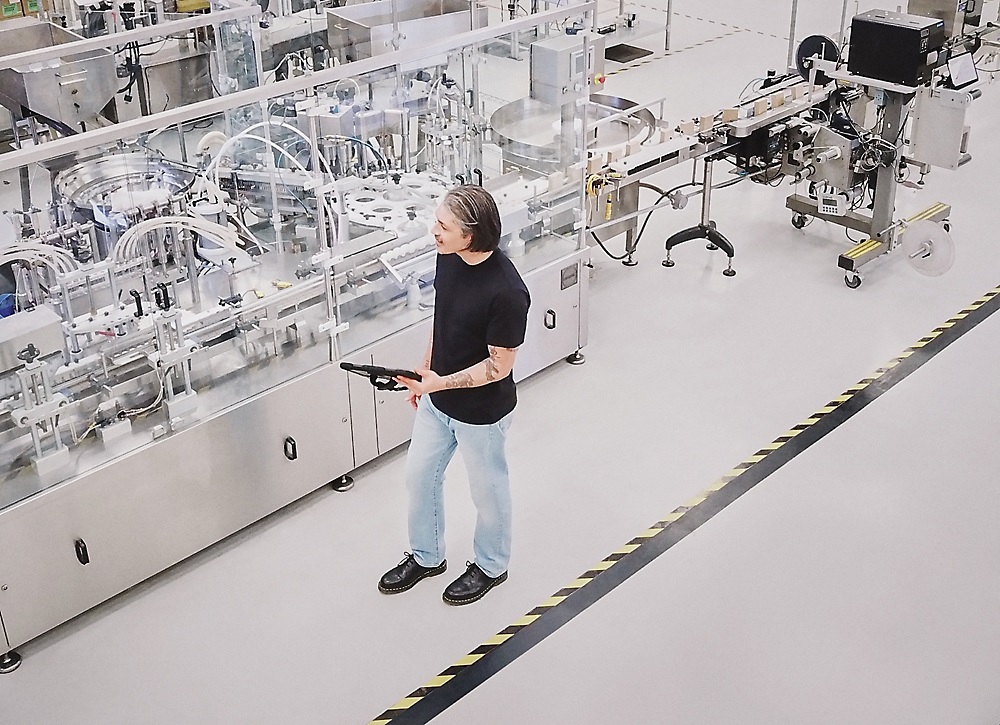
Simultaneously, technological disruption began to reshape industries. Automation, robotics, and artificial intelligence have slowly but surely begun to replace human labor in various sectors, from manufacturing to customer service. In some cases, this has led to greater productivity and cost-efficiency. In others, it has resulted in job displacement and a redefinition of the workforce. The introduction of “smart factories” where machines communicate with each other to optimize production processes represents the frontier of modern industry.
The Environmental Reckoning and the Shift Toward Sustainability
As industries have grown, so too have their environmental footprints. The Industrial Revolution, for all its benefits, unleashed pollution, deforestation, and the unchecked exploitation of natural resources. By the mid-20th century, the environmental toll of industrial growth became too great to ignore. The Great Smog of London, the Cuyahoga River fire, and the rise of air and water pollution led to widespread public outcry and the eventual passage of environmental protection laws. However, the question of how to reconcile industrial progress with environmental responsibility remains one of the most pressing challenges of our time.
Today, industries across the globe are facing the urgent need to transition toward more sustainable practices. Climate change, resource depletion, and pollution have forced many businesses to reevaluate their practices. There has been a noticeable shift toward renewable energy sources, electric vehicles, and sustainable manufacturing processes. Companies are increasingly adopting circular economy models, where products are designed to be reused, refurbished, or recycled. This growing focus on sustainability is not just a response to environmental concerns but also a reflection of changing consumer preferences. People are becoming more conscious of the environmental impact of their purchases, and businesses that fail to adapt risk losing relevance.
The Future of Industry: Automation, AI, and Ethical Considerations
Looking ahead, it’s clear that industry will continue to evolve in response to technological advancements and global challenges. The integration of artificial intelligence and machine learning into industrial processes is likely to become even more widespread. Smart factories, powered by data and AI, promise to revolutionize the way goods are produced, leading to even greater efficiency and customization. However, this also raises important questions about the future of work. As automation increasingly replaces human labor, what does this mean for employment? How can industries ensure that workers are not left behind in an economy driven by machines?
Additionally, the ethical implications of technological advancements must not be overlooked. Industries will need to navigate issues related to data privacy, AI biases, and the impact of automation on job markets. Companies will also need to consider how their operations impact local communities and global ecosystems, ensuring that profit maximization does not come at the expense of human rights or environmental sustainability.
Conclusion: A New Industrial Revolution
Industry has come a long way from the smoky factories of the Industrial Revolution. It has weathered wars, embraced new technologies, and adapted to changing economic and environmental pressures. Today, as we stand on the cusp of another industrial revolution—one that merges technology, sustainability, and ethics—industry faces new challenges and opportunities. The industries of the future will not only be more efficient and technologically advanced but will also have to answer to the growing demands for environmental stewardship, social responsibility, and ethical transparency.
As we navigate this transformation, it is crucial to remember that the progress of industry should not be measured solely in terms of economic output but also in its ability to create a better, more sustainable world. By aligning technological innovation with a commitment to social and environmental well-being, we can ensure that the industries of tomorrow will be a force for positive change in society.


