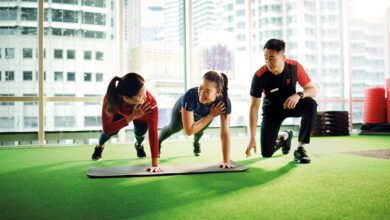
City living shapes the way people move, stand, sit and function every day. In Singapore, office workers often spend long hours at desks, move between MRT stations, wait on escalators and navigate crowded walkways. These habits create predictable patterns in posture, mobility and energy levels. Over time, they influence strength, flexibility and overall health. This is why personalised training programmes built around urban routines have become increasingly important for adults across the city.
Many individuals who start exploring personal training singapore do so because they feel the impact of deskbound routines, daily commuting stress and limited recovery time. These patterns affect posture, hip mobility, lower back comfort and general stamina. Personalised programmes help counter these issues by integrating structured movement, targeted strength work and mobility strategies that fit easily into busy urban lifestyles. Training becomes more sustainable because it aligns with real daily habits instead of demanding unrealistic changes.
How Singapore’s Office Lifestyle Affects the Body
Office-based jobs in Singapore typically involve long sitting hours, digital screens and minimal movement. Although the work environment is designed for productivity, it often leads to physical imbalances. The longer a person stays in the same position, the more the body adapts to that position. This becomes especially clear in the shoulders, hips and spine.
Common physical issues created by office routines:
-
Forward head posture
-
Rounded shoulders
-
Tight hip flexors
-
Weakened glutes
-
Stiff thoracic spine
-
Poor circulation in the legs
-
Eye strain and tension headaches
These issues often appear gradually until they become part of a person’s daily discomfort. Personalised training helps restore balance and reduce these patterns by strengthening neglected muscles and improving movement efficiency.
The Impact of Daily Commuting on Movement Patterns
Commuting in Singapore creates another set of movement habits. Many individuals spend significant time standing in trains, leaning on escalators or walking short distances between buildings. Although these movements seem small, repetition creates patterns that influence posture and muscle behaviour.
Commuter habits that affect the body:
-
Leaning on one side while standing on the MRT
-
Holding devices at chest level for long periods
-
Standing still on escalators
-
Quick bursts of walking followed by long periods of sitting
-
Carrying bags on one shoulder
These habits often create imbalances in the hips, feet, neck and shoulders. A personalised programme helps correct these imbalances while making daily commuting more comfortable.
Why Urban Routine Training Is Needed in Singapore
Urban routine training is a method that considers how the city environment shapes physical behaviour. It is designed specifically for people who do not have the luxury of long walks, varied terrains or outdoor movement. Instead, it focuses on training the body to operate optimally within a structured urban lifestyle.
The aim is to sharpen posture, strengthen stabilising muscles, improve joint mobility and create better endurance for typical city tasks such as walking, taking stairs and carrying work items. This helps people perform better both inside and outside the gym.
Strength Training for Busy Office Workers
Strength training is essential for reversing the effects of prolonged sitting. When the body is inactive for long periods, certain muscles become shorter and tighter while others become weaker. Strength-based programmes help restore balance, improve posture and boost overall resilience.
Key strength areas for office workers:
-
Glutes to support posture and hip stability
-
Upper back muscles to counter rounded shoulders
-
Core muscles to support the spine
-
Hamstrings for balanced lower body movement
-
Wrist and forearm strength for screen-heavy routines
Training these areas not only improves physical comfort but also enhances everyday performance.
Mobility Work for Deskbound Adults
Mobility is one of the most important components of urban routine training. It focuses on joint freedom, muscle flexibility and smooth movement. Many adults experience limited mobility due to stiff hips, tight chests and a compressed spine. Mobility training helps restore natural movement.
Effective mobility drills include:
-
Hip opening sequences
-
Thoracic rotations
-
Shoulder mobility patterns
-
Controlled articular rotations
-
Standing posture resets
These drills can be done in short sessions, making them ideal for busy work schedules.
Cardiovascular Conditioning Built Around Urban Habits
Many office workers have limited time for cardio sessions. A personalised coach designs efficient conditioning programmes that align with urban routines. This can include brisk walking intervals, low impact cardio circuits or short but intense sessions that target heart health without requiring long hours.
Useful conditioning strategies:
-
Short incline walks
-
MRT timed walking challenges
-
Workstation step-count goals
-
Stair-based conditioning
-
Circuit training using limited equipment
These methods help busy individuals improve endurance without sacrificing their schedule.
Breathing and Stress Regulation for Professionals
Breathing is often overlooked, but it plays a major role in stress management and posture. Many office workers breathe shallowly due to stress or sitting patterns. Proper breathing supports the nervous system, improves focus and reduces tension around the neck and shoulders.
Breathing strategies include:
-
Diaphragmatic activation
-
Slow nasal breathing to calm the mind
-
Posture-linked breathing drills
-
Breath guided mobility sequences
These techniques help professionals control stress and stay physically comfortable throughout the day.
How Trainers Build Urban Routine Programmes
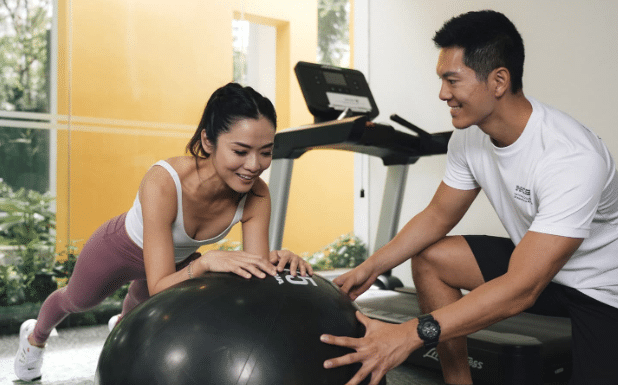
A personalised programme tailored to office workers begins with understanding their daily routine. Trainers assess posture, movement patterns, weak areas and lifestyle demands. The plan is then built to support the individual’s schedule and responsibilities.
Typical programme components:
-
Strength blocks for key muscle groups
-
Mobility circuits for joint health
-
Desk-friendly movement routines
-
Posture rebuilding sequences
-
Stress management strategies
-
Progress tracking for better consistency
This approach ensures the training feels relevant and manageable.
Combining Indoor and Outdoor Training for Better Results
Singapore’s environment makes it easy to combine indoor gym sessions with light outdoor conditioning. Structured outdoor walks, park runs or stair climbs complement indoor strength work. Alternating environments enhances adaptability, making training more stimulating and enjoyable.
Long-Term Benefits for City-Based Adults
Urban routine training provides several long-term benefits that support high performance in work and life. People experience better comfort during long workdays, improved posture, higher stamina and greater personal confidence. It also reduces the likelihood of chronic pain and fatigue.
Many individuals choose this training approach because it allows them to fit fitness into their busy schedules without compromising their routine. Modern facilities such as True Fitness Singapore support structured urban programmes that match the lifestyle patterns of office-based adults.
FAQ
Q1. I work long hours. Can I still follow an urban routine training plan?
Yes. These programmes are designed for busy individuals. They include short, effective sessions that can fit into tight schedules.
Q2. Will my posture actually improve with personal training?
Most people notice improvements in four to eight weeks. Strength and mobility work directly influence posture and comfort.
Q3. What if I experience lower back pain from office work?
A personalised plan targets the muscles that support spinal health. Many people experience relief once their hips, glutes and core are properly trained.
Q4. Do I need to train every day?
No. Many adults progress well with three to four structured sessions weekly along with short mobility drills during the day.
Q5. Can commuting habits really affect physical health?
Yes. Daily patterns such as leaning on one leg or carrying a bag on one shoulder create long-term imbalances. Training helps correct these patterns.