
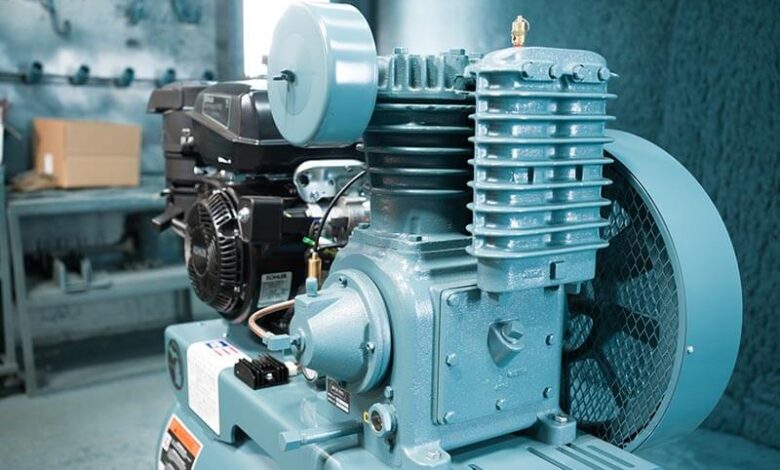
Industrial air compressors represent one of the most essential pieces of equipment across modern industries, serving as the backbone for countless manufacturing processes, production operations, and specialized applications. While portable and small-scale compressors have gained popularity in recent years for residential and light commercial use, the industrial air compressor remains the workhorse of heavy industry and large-scale manufacturing operations worldwide.
Unlike consumer-grade units available at hardware stores, industrial air compressors are typically permanent installations designed to operate continuously under demanding conditions. These powerful machines can generate hundreds, thousands, or even tens of thousands of horsepower, producing pressure levels far beyond what any non-industrial application would require. Their capacity, reliability, and efficiency make them indispensable across numerous sectors where compressed air powers everything from pneumatic tools to complex automated systems.
Petroleum and Natural Gas Industry
The petroleum and natural gas sector stands as one of the largest consumers of industrial air compressor technology. These companies deploy massive compression systems for a wide variety of critical operations that keep energy flowing to consumers worldwide.
Natural gas pipeline networks depend entirely on industrial air compressors to maintain the pressure required to transport gas across vast distances. These pipeline compressors are often driven by natural gas turbines, which use the very product being transported as their fuel source. This self-sustaining design allows compressor stations to operate independently without external power sources, ensuring continuous operation even in remote locations.
Oil refineries and natural gas processing plants generate enormous quantities of intermediate and finished product gases throughout their various refining and processing stages. All these gases require compression for storage, transportation, or further processing using specialized industrial compressors. The manufacturing of compressors for the petroleum and natural gas industry has evolved into a highly specialized niche, with numerous companies dedicating their entire operations to designing and building compression equipment exclusively for these demanding applications.
Gas reinjection operations, enhanced oil recovery techniques, and vapor recovery systems all rely on industrial compressors to maximize resource extraction while minimizing environmental impact. The extreme conditions, corrosive materials, and safety-critical nature of these applications require compressors built to exacting specifications and maintained with rigorous protocols.
Manufacturing and Production Facilities
Mechanical air blowers are widely used across various industrial and manufacturing applications, where pneumatic tools often prove more efficient than other alternatives. Nearly every major production facility relies on one or more mechanical blowers to power a range of tools and systems within the plant. In many of these environments, rotary screw air compressors are commonly used due to their ability to deliver a continuous and reliable supply of compressed air, making them well-suited for large-scale operations. Pneumatic tools and systems are generally more energy-efficient and less polluting than many alternatives, which is why they play a vital role in modern manufacturing regardless of the industry. Many large factories even have customized air compressor systems designed to meet their specific operational demands, supported by a dedicated industry focused on building and maintaining these advanced systems.
Manufacturing operations utilize compressed air for assembly line automation, material handling, packaging systems, and quality control processes. Pneumatic actuators, air-powered drills, impact wrenches, spray painting systems, and conveyor controls all depend on a steady supply of clean, dry compressed air. The versatility of pneumatic systems makes them ideal for applications requiring rapid movement, precise control, or operation in hazardous environments where electric tools might pose safety risks.
Automotive Industry
The automotive manufacturing sector represents another major consumer of industrial air compressor systems. From stamping and welding operations to painting and assembly processes, compressed air powers virtually every stage of vehicle production.
Paint application systems require precisely controlled air pressure to achieve consistent, high-quality finishes on vehicle bodies and components. Robotic welding systems use compressed air for cooling and positioning, while pneumatic tools assemble thousands of components with speed and precision. Testing facilities rely on compressed air to simulate operating conditions, pressure-test fuel systems, and validate safety equipment performance.
Even automotive repair and service facilities, though operating on a smaller scale than manufacturing plants, depend heavily on air compressors for tire service, impact tools, lifts, and diagnostic equipment.
Food and Beverage Processing
The food and beverage industry has unique requirements for compressed air systems, as air may come into direct contact with products intended for human consumption. Industrial compressors in this sector must meet strict hygiene standards and often require oil-free compression to prevent contamination.
Compressed air powers packaging machinery, conveyor systems, mixing and blending equipment, and bottle filling lines. Breweries use compressed air for fermentation tank pressurization, while dairy processing facilities rely on pneumatic systems for milk processing, pasteurization, and packaging operations. Frozen food producers use compressed air in blast freezing systems and automated sorting equipment.
The ability to precisely control air pressure and maintain cleanliness makes pneumatic systems ideal for handling delicate food products without damage or contamination.
Healthcare and Medical Applications
Industrial air compressors play a vital role in producing and storing medical gases essential for patient care and medical procedures. The compression of breathable air and specialized medical gases operates under strictly regulated guidelines designed to ensure safety and efficacy.
Hospitals require continuous supplies of medical-grade compressed air for respiratory therapy, surgical tools, dental equipment, and emergency ventilation systems. Medical oxygen production facilities use industrial compressors in the process of extracting and purifying oxygen from ambient air, which is then stored in tanks for distribution to healthcare facilities.
Hyperbaric chambers, used for treating decompression sickness and various medical conditions, depend on industrial compressors to maintain precise atmospheric pressures. The reliability and purity requirements for medical air compression demand specialized equipment and rigorous maintenance protocols that exceed typical industrial standards.
Pharmaceutical Manufacturing
Pharmaceutical production facilities utilize industrial air compressors for both manufacturing processes and cleanroom pressurization. Maintaining positive air pressure in cleanrooms prevents contamination during drug manufacturing, while compressed air powers automated pill pressing machines, tablet coating systems, and packaging equipment.
The pharmaceutical industry’s stringent quality control requirements necessitate compressors that can deliver absolutely oil-free, dry air free from any contaminants that might compromise product purity. Many pharmaceutical manufacturers invest in multiple redundant compressor systems to ensure continuous operation without interruption.
Construction and Infrastructure
Large-scale construction projects rely heavily on industrial air compressors for powering pneumatic tools and equipment. While portable compressors serve smaller job sites, major infrastructure projects such as tunnels, bridges, dams, and commercial building construction require industrial-capacity compression systems.
Jackhammers, rock drills, concrete demolition equipment, and pile drivers all operate on compressed air. Tunneling operations use compressed air to power boring equipment and maintain atmospheric pressure in underground work areas. Bridge construction projects employ pneumatic rivet guns and bolt tensioners that require consistent high-pressure air supplies.
Mining Operations
The mining industry has long depended on industrial air compressors for both surface and underground operations. Compressed air powers drilling equipment, material transport systems, and ventilation fans that keep underground work areas safe for miners.
Rock drilling represents one of the primary applications, with pneumatic drill rigs creating blast holes for ore extraction. Compressed air also powers mucking machines, scalers, and various other equipment used in tunneling and ore removal. Additionally, many mines use compressed air systems for dust suppression, helping maintain air quality in enclosed spaces.
Specialized Gas Storage and Distribution
Industrial air compressors serve the critical function of filling storage tanks for numerous specialized applications beyond manufacturing. Scuba diving operations depend on industrial compressors to fill breathing air tanks with properly filtered, moisture-free air compressed to high pressures. Dive shops and professional diving operations invest in compressors specifically designed to meet breathing air quality standards.
Firefighting departments use industrial compressors to fill self-contained breathing apparatus (SCBA) cylinders that allow firefighters to operate in smoke-filled environments. Welding and metal fabrication shops rely on compressors to fill cylinders containing various gases including oxygen, nitrogen, argon, and specialty gas mixtures used for different welding processes.
Each type of gas storage application requires compressors engineered to handle specific gases safely and efficiently. Oxygen compression, for instance, demands equipment designed to eliminate any possibility of combustion, while breathing air compressors must include advanced filtration to remove contaminants. The diversity of gas compression requirements explains why so many different types of specialized industrial compressors remain in production, as no single compressor design can safely and effectively meet all specifications for every gas type.
The Future of Industrial Air Compression
As industries continue evolving toward greater efficiency and environmental responsibility, industrial air compressor technology advances alongside these demands. Energy-efficient designs, smart monitoring systems, variable speed drives, and heat recovery capabilities represent just some of the innovations improving compressor performance while reducing operational costs and environmental impact.
The fundamental importance of compressed air in industrial applications ensures that industrial air compressors will remain essential equipment across virtually every manufacturing and production sector. From the smallest precision instruments to the largest pipeline systems, compressed air provides the reliable, versatile power source that modern industry demands.